There’s one specific area where invisible work is a good thing, and that’s rolling out a peer...
 4.8 on G2 Trusted by 3k+ teams worldwide
Everyone’s felt the injustice of not getting credit for their work. But when a whole bunch of people experience that same feeling at once, it’s bad for business.
TL;DR
- Recognition debt is an accumulation of unacknowledged contributions at work.
- Recognition owed is recognition delayed. Delayed recognition hurts engagement.
- Peer-to-peer recognition makes praise more habitual and honest, gradually easing the ill effects of a recognition debt.
What is recognition debt in the workplace?
Recognition debt is what an organization owes an employee in unacknowledged contributions. It’s a consequence of never shouting out invisible work, thanking someone for their emotional labor, or praising them for always helping others. As debt accrues, productivity, morale, and retention drop.
This might sound like a cute, fluffy analogy for why employees disengage. But it’s important to know before attempting to improve the culture or add more recognition. Even if you’re newer to the team and inherited the debt, you’ll have a hard time convincing cynical employees that the company is sincerely turning over a new leaf.
What are the signs your company owes a recognition debt?
There are a lot of reasons for workplace toxicity that don’t come down to “we didn’t thank them enough.” Here are the core four signs that a lack of recognition is to blame.
Praise is saved for formal reviews and exit interviews.
Employees who get no appreciation probably aren’t looking forward to your survey. Offer them one anyway, and have them share the last time a leader discussed their good work.
If it was during a formal review, don’t bother thanking them during their inevitable exit interview. That won’t do much for them, either.
Bare minimum, quiet quitting, and “not my job” are becoming the norm.
A lack of appreciation increases burnout. It chips away at the idea that what we do at work matters at all. We just grow tired of making the effort.
If employees start shuffling tasks and stop explaining, they could be checking out. Additional effort or trying to make sure everyone understands their job doesn’t matter when it feels like the company doesn’t care either way.
The new hire honeymoon is over six weeks in.
New jobs are exciting, especially when they seem so promising during onboarding. Keyword “seemed.” It takes about a month and a half on average for reality to sink in.
Your creative solution isn’t anything to shout about. No one asked what you think. They didn’t even notice your last-minute fixes before launch. It’s sad when newer hires take this as a sign they’re not doing a good job. It’s tragic when they know they are, and realize they could get seen elsewhere.
Positive feedback can’t sit without criticism.
Frankly, some companies have a debt because they do recognition wrong, not because they don’t do it at all. Padding negative feedback with a compliment every time is one big example. It’s like giving someone a dollar and immediately asking to borrow a dollar.
The criticism is always going to stand out in their memories more. Both positive and negative comments need to be able to stand on their own to be believable.
How does recognition debt impact employee engagement?
As you could guess, recognition debt is terrible for engagement. The term “recognition debt” suggests that recognition is owed; that is, recognition is due. One may expect to collect on it. That would make it delayed recognition.
Recent research has shown decreasing loyalty in corporate settings where they’re now reducing regular recognition and reserving it for formal reviews. Nearly half of executives acknowledge that recognition is the way to employee engagement. All the data says recognition must be distributed weekly because delaying it hurts engagement. Yet that’s not what many are opting to do, and now overall engagement numbers are down.
We don’t like hearing that recognition is becoming rarer in any sector. However, all of this highlights the importance of timeliness and authenticity in praise. Repaying the debt will never come down to leaders simply choosing to recognize their people more often.
Why peer-to-peer recognition pays down your balance
Making praise everyone’s job helps us meet every single criterion for high-quality employee recognition and then some.
1. Specific
Peers know the minutiae of our jobs better than some leaders. They know where exceptional effort, skill, or patience was necessary.
2. Timely
Peer-to-peer recognition happens on the spot. There’s no delay, and peers are privy to things managers don’t see.
3. Public
When peers recognize one another publicly, such as in the team chat, it creates a searchable record of all the appreciation we’ve received. And when a manager does drop in, they’ll notice it, too.
4. Inclusive
Peer recognition tools give everyone the means to send positive acknowledgement across departments and even to their leaders.
5. Value-tied
A company’s core values aren’t fully adopted by employees until they see them in action, and observe those actions being recognized.

How to pay down your recognition debt fast
Didn’t mean to mislead you, but you can’t exactly repay this debt.
What you have to do is wipe the slate clean, section by section, without arousing suspicion. A leader swooping in like the new recognition sheriff in town can get smacked down in an instant by demotivated, low-morale people.
Implement a peer recognition tool that offers these three important qualities. They’re what’s going to make the habit stick and eventually wipe the debt.
Reduce friction between desire and action.
Recognition can no longer be a formal action for anyone. It should happen in the same place as work and conversation. Chat-native tools for remote or hybrid teams are a must. This is the only way recognition becomes second nature.
Keep it public so it actually seeps into the culture.
When others witness how easy it is and how good it feels, they’re going to be curious. As it happens more, they also see it’s no big deal. It wouldn’t be so strange for them to participate. Now everyone’s working together to get the bad taste of zero visibility out forever.
Ensure it’s believable and meaningful by tying it to values.
Recognition must have a purpose, or it doesn’t feel authentic. Combine the specificity of quality recognition with company values, and we get something truly magical: belonging. Recognition is even more validating when it aligns with collective purpose.
Make your first micropayment today 🌮
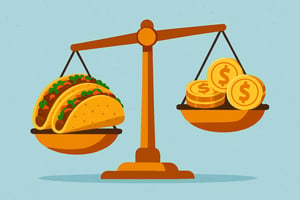
These days, people are choosing to make micropayments on their real debt. Choosing smaller, frequent payments may reduce daily interest and help people repay a balance faster than one larger monthly sum.
We’re not here to dispense any financial advice, but that’s exactly what HeyTaco does with recognition. Small, daily gestures that take practically nothing out of you have a larger cultural impact than saving praise for formal occasions.
"It's as simple as sending an emoji, but it adds a thoughtful, personal touch to recognize someone's effort. This simplicity encourages frequent, genuine expressions of gratitude, which has positively impacted team morale."
- Nick Z., HeyTaco user
Start your free trial and enjoy frictionless, zero-delay recognition that works.